
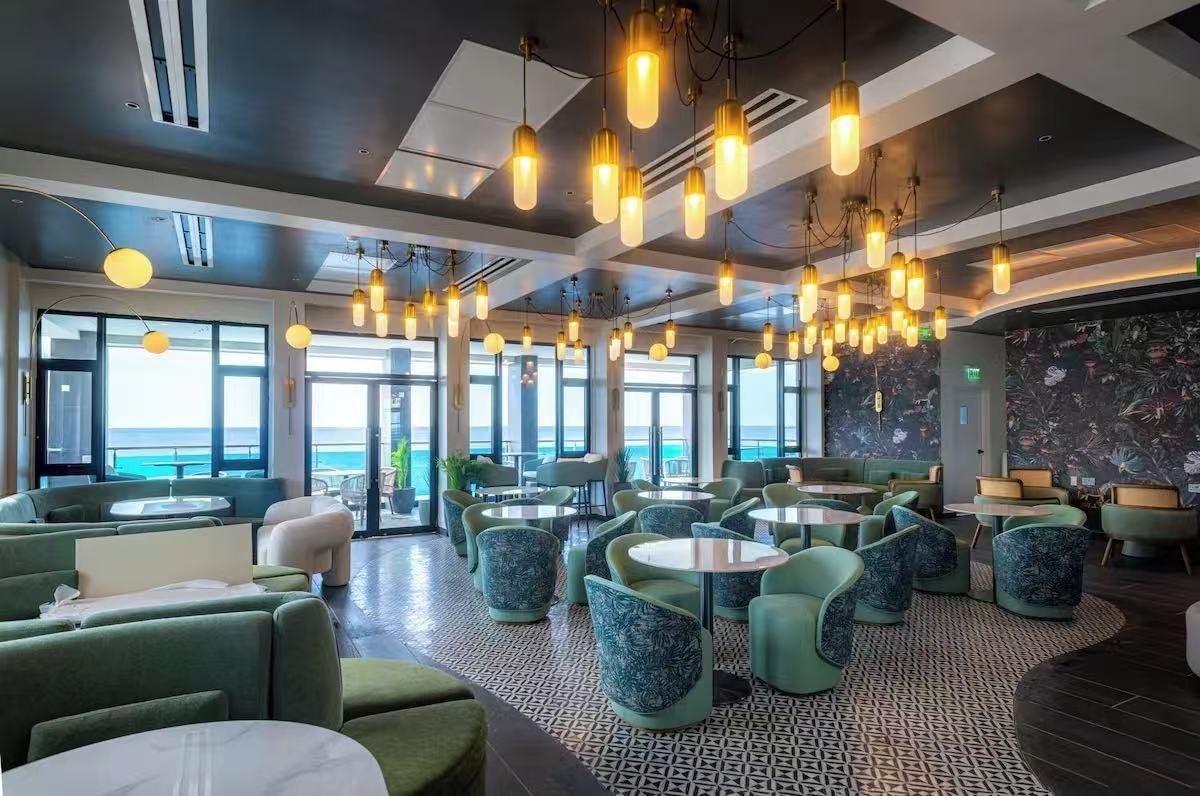
Sourcing furniture, fixtures, and equipment for a hotel or resort project is one of the most complex supply chain exercises in commercial construction. The stakes are high — a delayed container can push back an opening date; a quality failure across 200 identical guest room chairs is not a line item, it is a project crisis.
China — and Guangdong Province in particular — remains the world’s dominant source for contract-grade hospitality FF&E. Despite a volatile two years of tariff changes, the fundamental advantages of Chinese manufacturing have not disappeared. What has changed is the level of expertise required to navigate the procurement process successfully.
This guide covers every stage of hotel FF&E procurement from China: from factory selection in Foshan and Dongguan, through quality control and container consolidation, to global shipping and project delivery. It is written for hotel operators, resort developers, interior designers, and commercial property teams who want a clear, current picture of how the process works in 2026.
Quick note on tariffs
US tariffs on certain categories of Chinese furniture — including upholstered pieces and kitchen cabinets — currently sit at 25% as of 2026, with scheduled increases delayed until at least 2027. Working with a professional sourcing agent who understands HTS code classification and DDP pricing structures can significantly reduce the effective landed cost impact. We address this in detail in the tariff section below.
1. Why China Remains the World’s FF&E Manufacturing Capital
The numbers are difficult to argue with. China commands approximately 34% of global furniture production and exported USD $36.44 billion in furniture in 2024, making it the world’s largest furniture exporter by a significant margin. For international hotel developers, the supply chain advantages of sourcing from Guangdong Province specifically are structural, not incidental.
Foshan: the global hotel furniture hub
Foshan, in Guangdong Province, is the undisputed centre of hotel-grade furniture manufacturing. The city’s network of over 3,000 factories employs more than 150,000 skilled workers and accounts for a substantial share of China’s total furniture output. Foshan’s Shunde District — particularly the Lecong and Longjiang areas — contains one of the world’s highest concentrations of furniture factories, showrooms, and raw material suppliers within a single geographic cluster.
What this means in practice: a sourcing agent based in Guangdong can visit 15 factories in a single day. Lead times from sample approval to production completion are compressed because hardware, fabric, foam, timber, and finishing materials are all produced within the same cluster. The ecosystem drives down costs and accelerates timelines in ways that genuinely cannot be replicated elsewhere at the same price point.
Dongguan and Guangzhou
Dongguan, also in Guangdong Province, excels at high-volume export production and is particularly strong in casegoods — the category that includes wardrobes, TV consoles, and storage units that make up the bulk of a guest room FF&E package. Guangzhou serves as the logistics and commercial hub of the province, home to the Canton Fair, the most important sourcing event in global trade.
Together, Foshan, Dongguan, Guangzhou, Jiangmen, and Shenzhen form a manufacturing corridor that can supply the complete range of hotel FF&E: from beds, headboards, and lounge seating to millwork, sanitary ware, lighting, and building materials. No other region on earth offers comparable depth of supply in a single geography.
Cost advantage in real terms
Buyers consistently report landed-cost savings of 30–50% compared to equivalent products from European contract manufacturers, even after accounting for current shipping rates and US tariff impacts. A five-star hotel guest room package — bed, headboard, nightstand, desk, chair, TV console, and minibar cabinet — can be sourced FOB China for approximately USD $1,200–$1,800 per room, compared to USD $3,500–$5,000 for equivalent specifications from European suppliers.
2. Understanding the 2026 Tariff Landscape for Hotel FF&E
Tariff policy has been the most disruptive variable in hospitality procurement since 2018. For buyers sourcing from China into the US market specifically, here is the current picture as of May 2026.
What is currently in force
• A 25% Section 232 tariff applies to specific categories of imported furniture, including upholstered wooden furniture, kitchen cabinets, and bathroom vanities. This has been in force since October 14, 2025.
• Scheduled increases above 25% for these categories have been delayed until at least January 2027 by Executive Order, maintaining the current rate through the near term.
• Many hotel FF&E categories — including solid wood dining tables, bed frames, casegoods, coffee tables, and office desks — are generally NOT subject to the 25% tariff and continue under the baseline Section 301 rate structure.
• IEEPA-based tariffs ended as of February 24, 2026, reducing some of the peak-rate exposure that buyers faced in mid-2025.
What this means for hotel project budgets
The category-specific nature of current tariffs is the most important thing for procurement teams to understand. A full hotel guest room FF&E package contains dozens of line items. Not all of them are equally affected. A professional sourcing agent with expertise in HTS (Harmonized Tariff Schedule) code classification can assess the exact tariff exposure of a specific project specification — and may be able to restructure certain items to minimize duty impact without changing the design intent.
Key point for US buyers
Do not assume that tariff headlines reflect the cost of your specific project. The effective landed cost depends entirely on the product categories in your specification, the correct HTS classification of each item, and how the DDP (Delivered Duty Paid) pricing is structured with your supplier. This is a conversation to have with a qualified sourcing agent before the quotation stage.
Non-US markets: Europe, Canada, and the Caribbean
For buyers in the UK, Canada, and Caribbean markets — which represent a significant share of FF&E Sourcing China’s client base — the US tariff situation is largely not directly applicable. UK import duties on furniture from China currently follow a separate schedule. Canadian importers operate under the Canada Border Services Agency framework. Caribbean nations vary by territory. Each destination requires a specific duty calculation, but none face the same 25% Section 232 exposure as US importers. For buyers in these markets, China sourcing remains as cost-competitive as it has ever been.
3. The FF&E Procurement Process: Stage by Stage
Successful hotel FF&E procurement from China is not a single transaction — it is a managed supply chain process that typically runs 16 to 28 weeks from initial briefing to on-site delivery, depending on project scale, customization complexity, and destination port. Here is what that process looks like in practice.
Stage 1: Project briefing and scope definition
The process begins with a detailed specification: room categories and counts, FF&E schedule for each room type, design drawings or reference imagery, material and finish requirements, fire and safety standards for the destination market, and the project delivery window. The more detail provided at this stage, the more accurately a sourcing agent can quote and the less rework occurs downstream.
At FF&E Sourcing China, we begin every project with a structured briefing process that covers not just what you need, but when it needs to arrive, what standards it needs to meet, and what your budget parameters are. This foundation prevents the most common and costly procurement failures.
Stage 2: Factory selection and vetting
Not every factory in Foshan or Dongguan that can produce hotel furniture should be producing your hotel furniture. The selection criteria that matter for hospitality projects are different from residential or retail:
• Proven experience with batch consistency — a hotel ordering 150 identical desk chairs cannot accept the variation that a residential buyer might tolerate.
• Production capacity and scheduling reliability — a factory that is 90% committed to other orders when your production window opens is a risk regardless of its sample quality.
• Compliance capability — CARB Phase 2 certification is mandatory for US market entry; fire-retardant fabric and foam specifications vary by market and brand standard.
• Export documentation competence — certificate of origin, commercial invoice accuracy, packing list detail, and fumigation compliance are logistical requirements that some factories handle better than others.
Our team at FF&E Sourcing China maintains a vetted network of factories across Guangdong Province, built through years of active project management. We know which factories can hold a finish to specification across 200 units and which ones cannot.
Stage 3: Sampling and approval
For projects above a threshold of complexity, physical samples are produced before full production is committed. Gold standard samples — signed off and retained as the production reference — form the contractual basis for quality acceptance at delivery. This step is non-negotiable for any bespoke or custom-finish item.
Sampling adds time — typically 3 to 6 weeks depending on the item category and current factory workload — but it compresses the risk of a full-production defect to near zero. We manage sample logistics, review sessions, and approval documentation as part of our standard project process.
Stage 4: Production monitoring and quality control
This is the stage where the difference between buying from a sourcing agent and buying direct from a factory most clearly reveals itself. Our quality control team operates across Guangzhou, Foshan, Dongguan, and the wider Guangdong region. During production, we conduct:
• Factory audits: assessment of factory condition, workforce, production schedule adherence, and compliance certifications before production begins.
• In-production monitoring: spot checks at key production milestones to verify that materials, finishes, and construction methods match the approved sample.
• Pre-shipment inspection: a formal inspection of finished goods against the gold standard sample and the original specification before the container is sealed. Defects found in China cost a fraction of defects found on-site.
Stage 5: Container consolidation and logistics
Most hotel FF&E projects involve multiple factories across multiple product categories. Rather than shipping separate containers from each factory — which multiplies freight costs and customs complexity — we consolidate all items into a single (or minimum number of) container(s) at a consolidation point in Guangdong. This is a significant operational advantage of working with a turnkey sourcing agent.
Guangdong Province is served by three world-class container ports: Yantian in Shenzhen, Nansha in Guangzhou, and Hong Kong. Daily sailings to every major global destination give us flexibility on routing and transit times.
Stage 6: Global shipping and delivery coordination
From container loading, our team manages documentation, customs filing, freight forwarding coordination, and destination port communication. We provide clients with shipment tracking throughout transit. For Caribbean, Canadian, and UK destinations, we work with experienced freight forwarders who are familiar with the specific import requirements of each jurisdiction.
Planning a hotel or resort FF&E project? Request a project consultation at ffesourcing.com
4. Building Materials: Beyond Furniture
Most buyers think of China sourcing in terms of furniture. Fewer realize that the Guangdong supply base covers the full range of construction and interior finishing materials required for a hotel project. FF&E Sourcing China sources and manages procurement of:
• Doors and windows: commercial-grade interior and exterior door sets, aluminium and timber window systems.
• Kitchen cabinets: full kitchen fit-out packages for hotel restaurants, staff facilities, and in-room kitchenette units.
• Sanitary ware: basins, bathtubs, shower trays, WC suites, and bathroom accessories from Guangdong’s specialist manufacturers.
• Lighting: architectural and decorative lighting for public areas, guest rooms, corridors, and exterior applications.
• Anti-corrosion materials: particularly relevant for coastal resort projects in the Caribbean and similar high-humidity, salt-exposure environments.
Sourcing building materials through the same agent managing your FF&E creates significant logistical and cost efficiencies. It consolidates supplier communication, simplifies the inspection process, reduces the number of container shipments, and provides a single point of accountability for the project.
5. Custom and Bespoke FF&E Manufacturing
One of the less-discussed advantages of working with a sourcing agent in Guangdong is access to genuine bespoke manufacturing capability at a cost that is simply not available from Western or European manufacturers. Custom millwork, built-in cabinetry, signature lounge pieces, bespoke headboard and bedframe designs, and made-to-measure case goods are all producible within the Foshan and Dongguan manufacturing ecosystem.
The critical requirement for successful bespoke work is specification quality. Clear drawings, material callouts, finish references, and dimensional tolerances are the foundation of a factory brief that produces what the designer intended. Our team bridges the gap between a design intent document and a factory-ready specification — including translation, material sourcing for non-standard finishes, and prototype sign-off.
6. Timelines: What to Expect
Timeline planning is where many hotel FF&E projects go wrong. Procurement that starts too late is the single most common cause of delayed hotel openings in our experience. Here are realistic benchmarks:
| Stage | Typical Duration |
|---|---|
| Project briefing and factory selection | 1–2 weeks |
| Sampling (standard items) | 3–4 weeks |
| Sampling (custom / bespoke items) | 4–8 weeks |
| Production (standard items) | 6–10 weeks |
| Production (fully custom items) | 8–14 weeks |
| QC and pre-shipment inspection | 1 week (built into production schedule) |
| Container consolidation and loading | 1–2 weeks |
| Ocean freight: China to US East Coast | 20–28 days |
| Ocean freight: China to Caribbean | 25–35 days |
| Ocean freight: China to UK | 25–32 days |
| Ocean freight: China to Canada (West) | 16–22 days |
Our general recommendation: begin procurement conversations no later than 6 months before your target delivery date. For large-scale projects (100+ rooms) with significant custom elements, 9–12 months is a more comfortable planning horizon.
7. How to Choose the Right China Sourcing Partner
The quality of your sourcing partner is the single greatest risk variable in a China FF&E project. Here are the questions every buyer should ask before committing:
• Do you have a physical team on the ground in Guangdong? Remote management of Chinese factory production does not work at hotel project scale.
• Do you conduct factory audits, production monitoring, and pre-shipment inspections in-house, or do you outsource QC? In-house inspection teams have a direct interest in your project’s success.
• Can you handle consolidation across multiple product categories and factories into single container shipments?
• Do you manage building materials as well as furniture? A single source for the full FF&E and materials package reduces complexity and cost.
• What is your process for handling specification deviations found during production? How are defects resolved and what is your timeline for replacement?
• Do you have experience with the compliance requirements of our destination market (fire ratings, chemical standards, certification documentation)?
FF&E Sourcing China is based in Guangzhou with active procurement operations across Guangdong Province — Foshan, Dongguan, Guangzhou, Jiangmen, and Shenzhen. Our services cover the complete supply chain from factory sourcing and verification through quality control, consolidation, and global shipping. We work with hotel operators, resort developers, interior designers, and commercial property teams across the US, Canada, the Caribbean, and the UK.
8. Frequently Asked Questions
Is it still cost-effective to source hotel furniture from China given the tariffs?
For most project specifications and most destination markets, yes. The 25% Section 232 tariff applies to specific categories (upholstered furniture, kitchen cabinets, vanities) but not to the majority of hotel FF&E line items. Even for the affected categories, the factory-gate cost advantage from China means the landed cost after duty often remains competitive with equivalent Western-manufactured products. The answer depends on your specific specification — which is exactly why a detailed quotation from a qualified sourcing agent, including correct HTS classification, is more valuable than a general assumption in either direction.
How do I ensure the furniture I receive matches the sample?
Gold standard samples, retained and signed off before production is committed, are the contractual reference. A professional pre-shipment inspection — measuring, testing, and photographing finished goods against the sample before the container is sealed — is the operational safeguard. At FF&E Sourcing China, pre-shipment inspection is a standard part of every project, not an optional add-on.
What certifications should hotel furniture from China carry?
For the US market: CARB Phase 2 (formaldehyde emissions from composite wood) is mandatory for market entry. FR (fire retardant) fabric and foam certification to the relevant standard for your state or brand specification. For the UK: CRIB 5 upholstery fire resistance, and BS EN compliance where applicable. For the Caribbean: requirements vary by territory and brand standard — confirm with your brand representative or local authority before specification sign-off.
What is the minimum order size for a hotel FF&E project?
There is no hard minimum, but the economics of using a professional sourcing agent work best at a project scale that fills at least one container (approximately 20 cubic metres). Below that threshold, the cost per unit of procurement management, QC, and logistics tends to outweigh the factory-gate savings. For smaller projects, we can discuss consolidation options with other client shipments.
Can you source building materials as well as furniture?
Yes. FF&E Sourcing China sources doors, windows, kitchen cabinets, sanitary ware, lighting, and anti-corrosion materials from the Guangdong supply base. Combining building materials with furniture procurement under a single agent significantly reduces project management complexity and can reduce total landed cost through container consolidation.
Ready to Start Your Project?
Whether you are in the early planning stages of a new hotel or resort development, managing a refurbishment, or looking for a more reliable procurement route for an existing project, FF&E Sourcing China is ready to help.
We provide project consultations at no cost. Tell us your project scope, timeline, and destination, and we will provide an initial assessment of how we can help and what the process looks like.
Request a free project consultation: ffesourcing.com
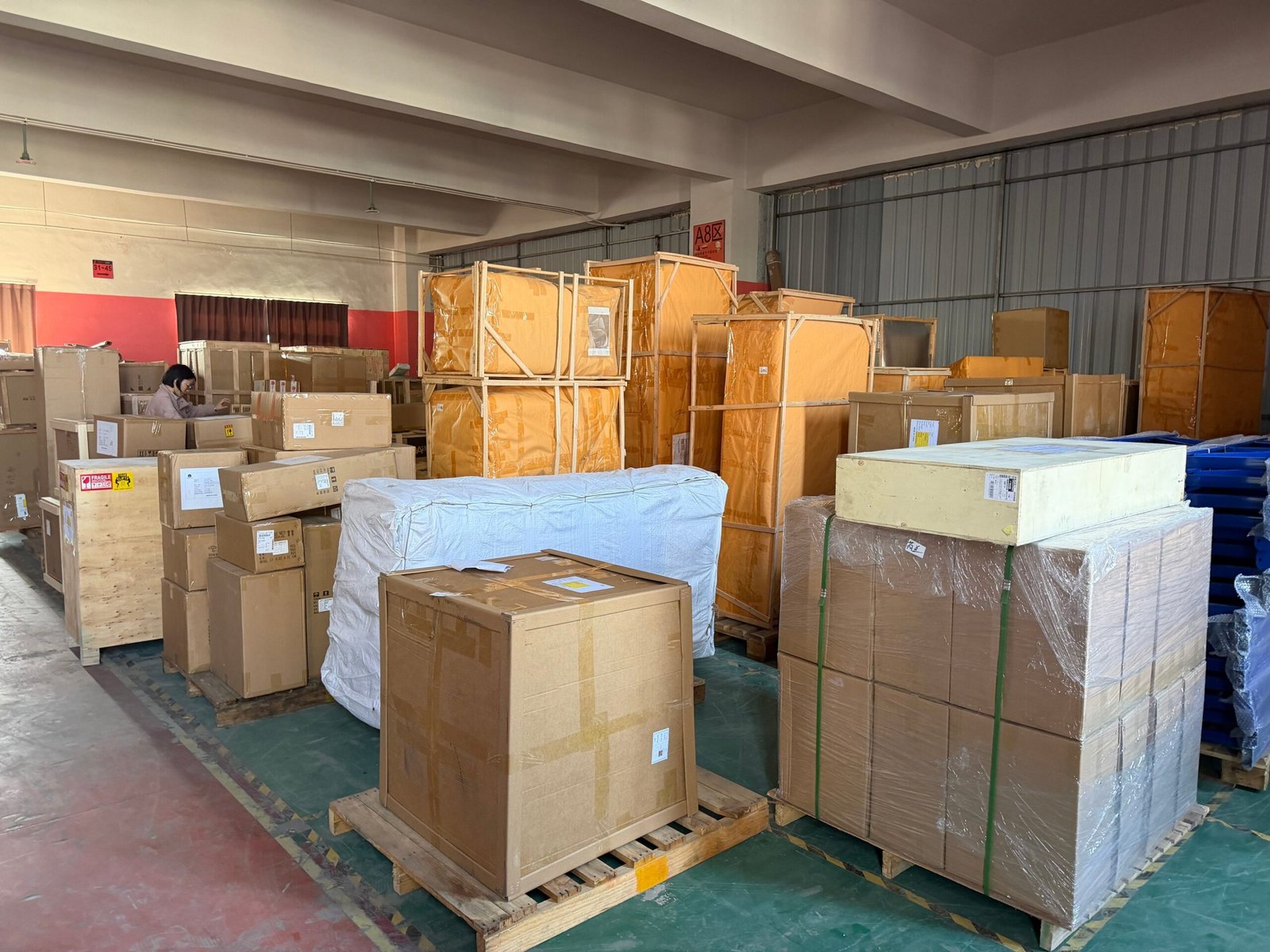
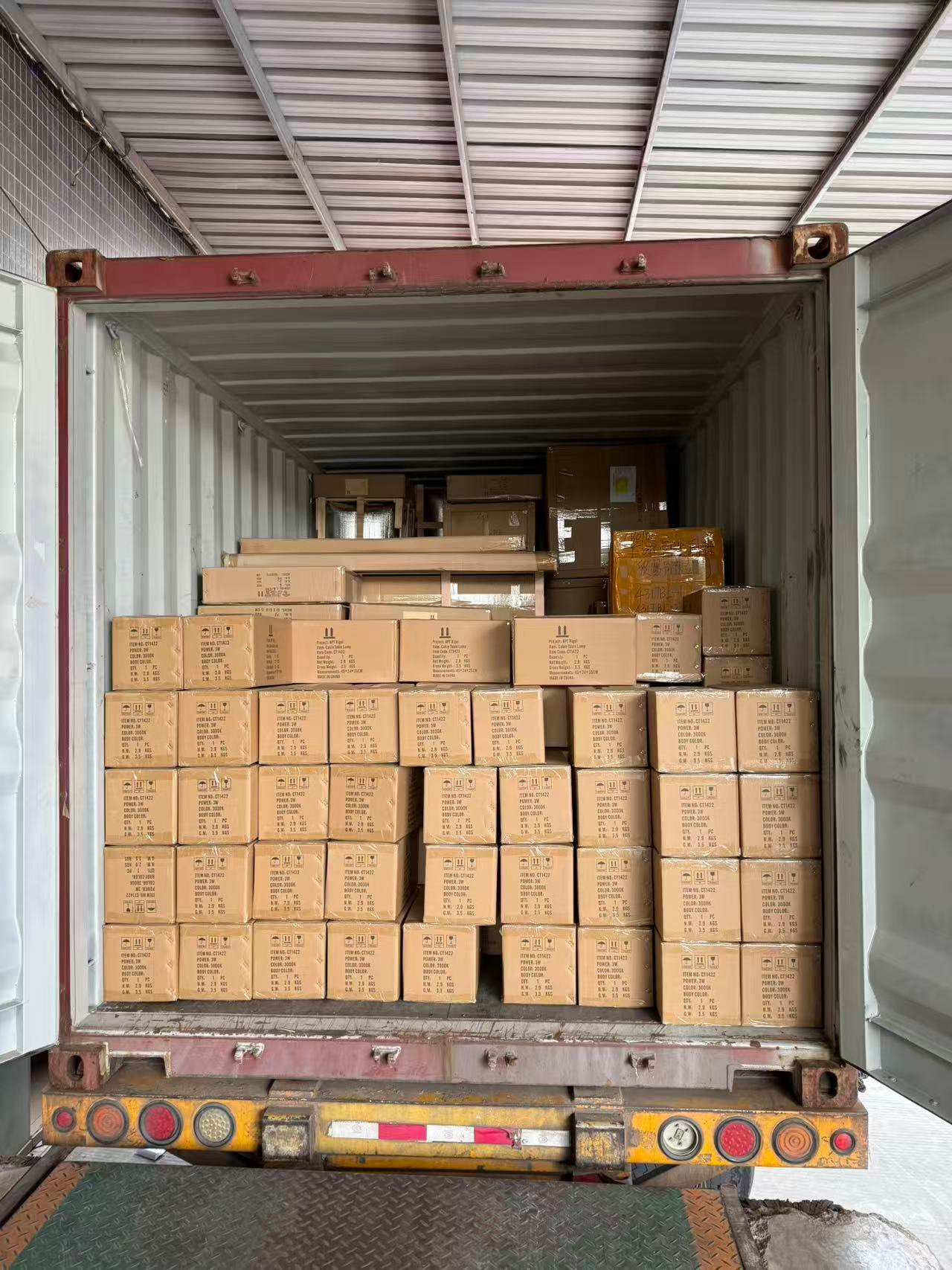
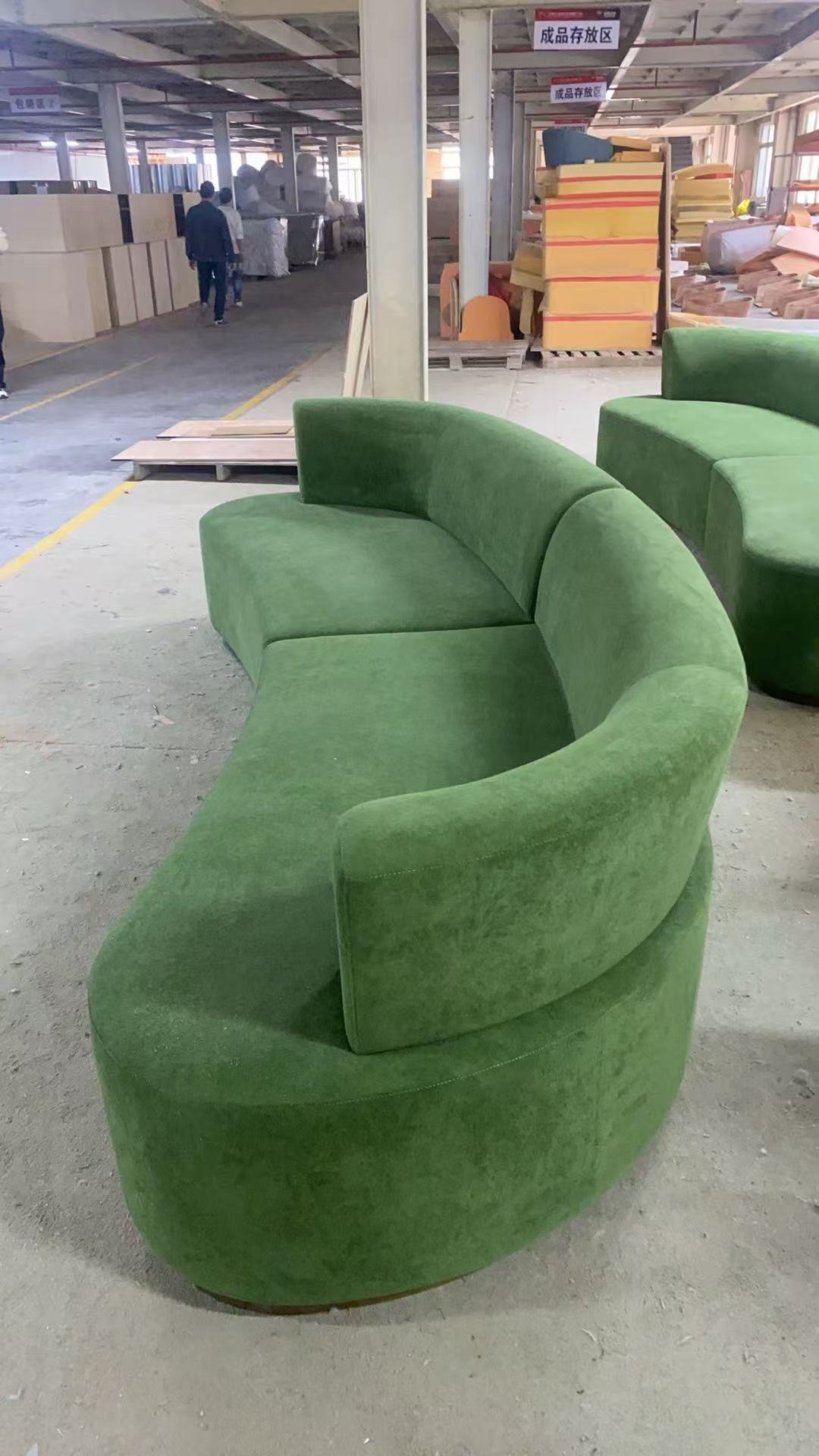
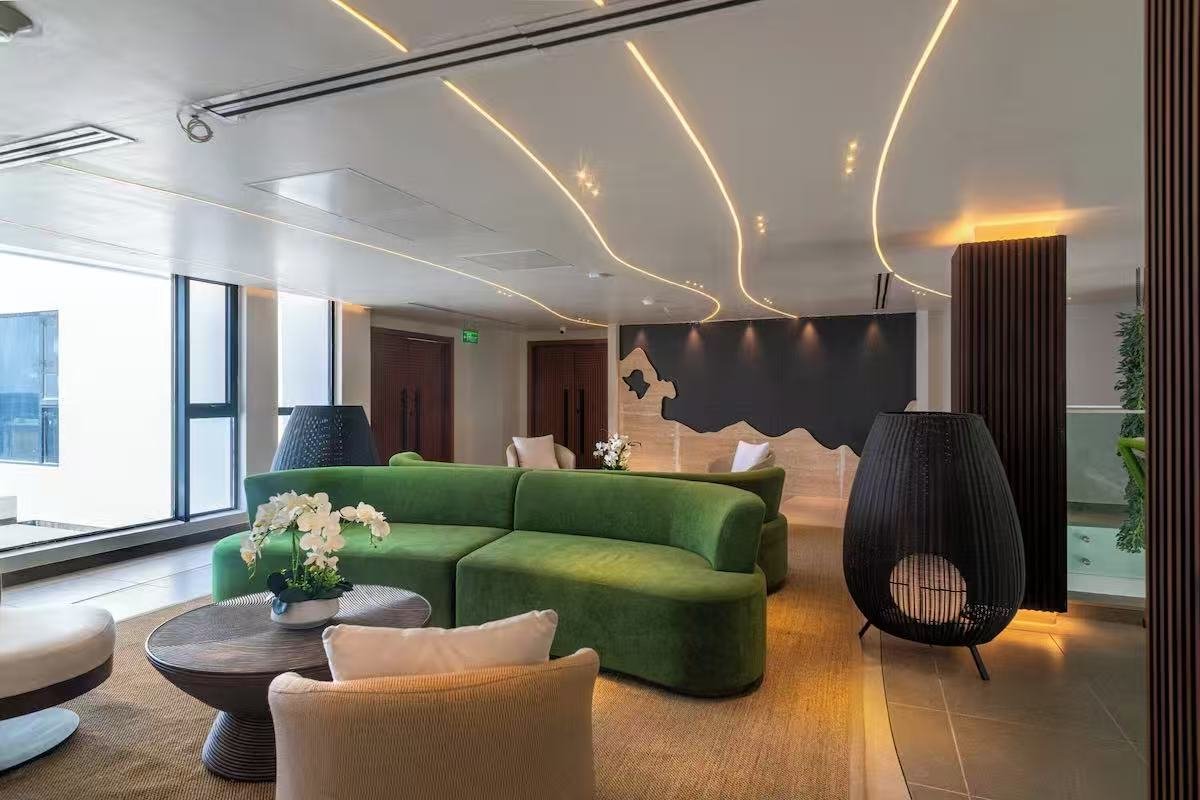
Factory vs. Final Display: Hotel Furniture
Hotel Furniture Protective Packaging for Hotel FF&E Shipment
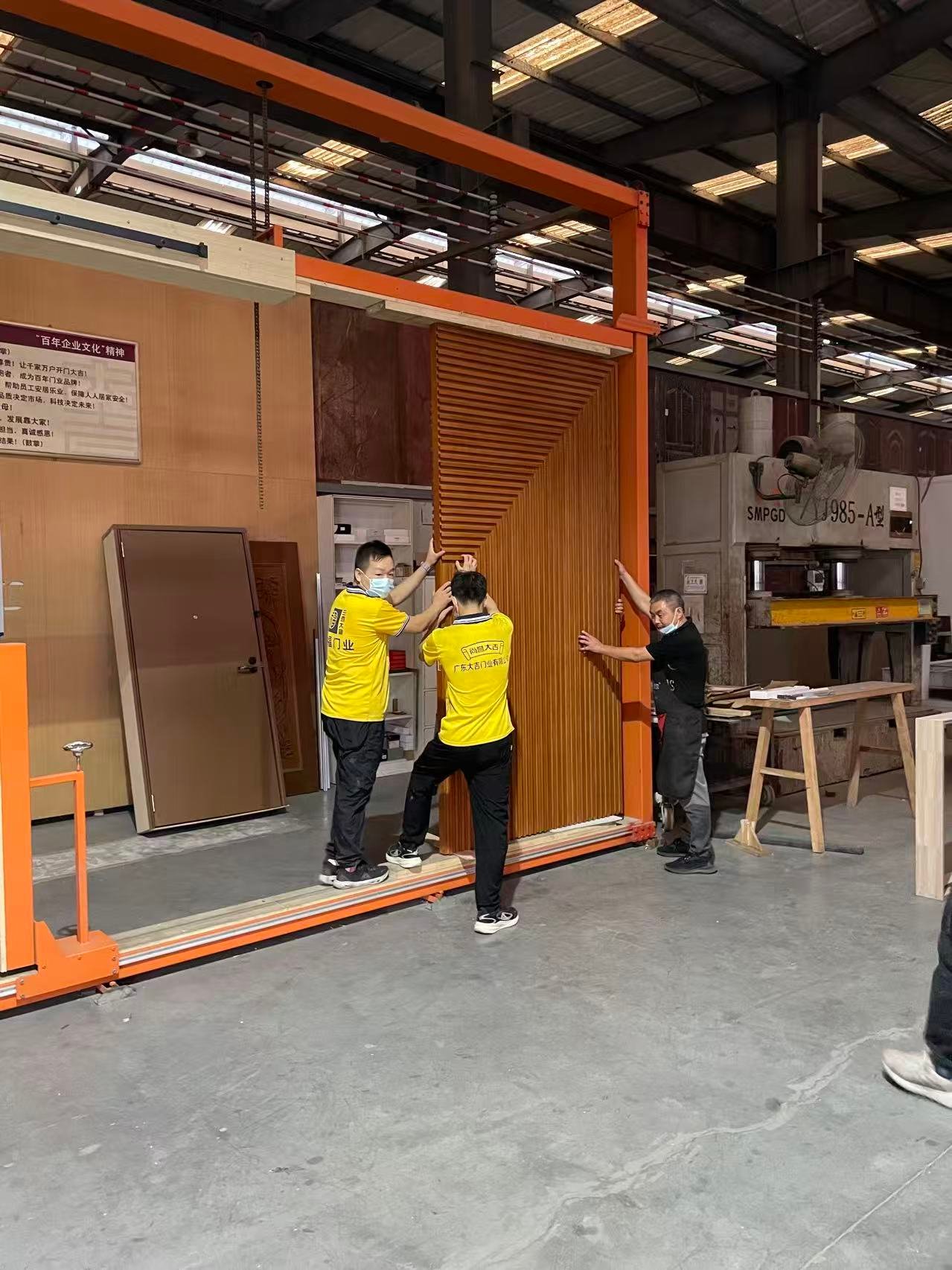
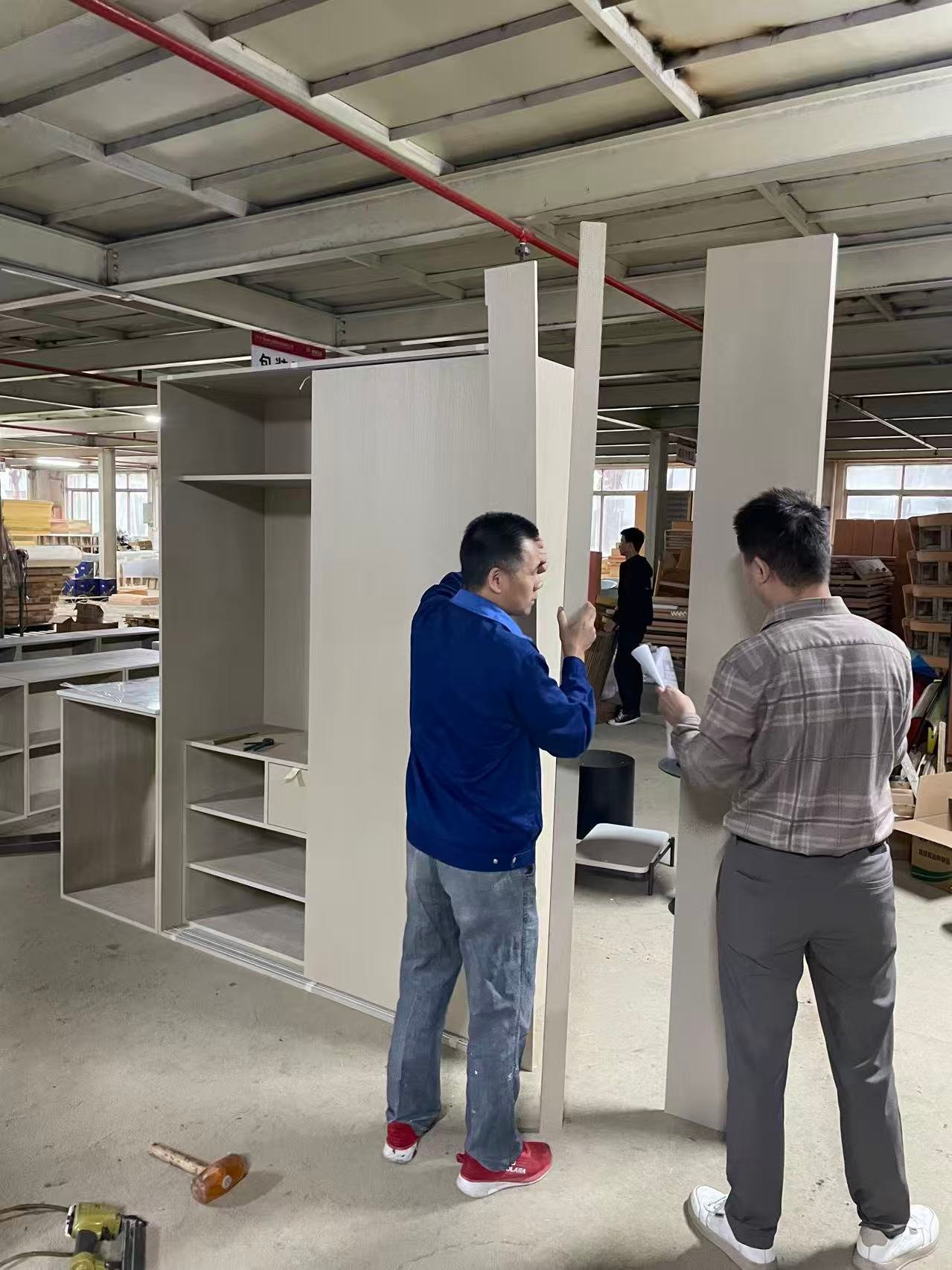
Testing doors and Installation test of a mock up room before shipment