

Most hotel developers who approach a China sourcing agent are thinking about furniture — guest room casegoods, upholstery, outdoor terrace pieces. What many do not realise is that a single sourcing programme managed from Guangdong can cover the entire project specification: finishing materials, sanitary ware, door sets, decorative lighting, commercial kitchen equipment, and more. This guide maps what a turnkey hotel and resort procurement programme from China actually covers, what it does not cover, and how to structure the brief to make it work.
The word “turnkey” means different things in different contexts. In construction, it means a contractor who delivers a finished, ready-to-operate building. In hotel FF&E procurement, it means a sourcing programme that covers every item in the fit-out specification — from the guest room headboard to the lobby floor tile to the restaurant kitchen equipment — rather than just the furniture categories.
Not every hotel project needs or benefits from a turnkey procurement approach. A developer who is refurbishing guest rooms only, or a brand-managed property where the brand controls certain category specifications, may source a defined subset of categories rather than the complete programme. But for independent resort developers, owners of new build properties, and developers commissioning event venues, restaurants, or mixed-use hospitality projects, a turnkey programme managed from a single point in China is often the most cost-effective and logistically efficient approach.
The Guangdong supply chain — centred on Foshan but extending across the province to Guangzhou, Zhongshan, Chaozhou, and the Pearl River Delta manufacturing cluster — produces hotel-grade product across more categories than most developers realise. This guide maps those categories, explains what to expect from each in terms of quality, pricing, and lead time, and outlines how the categories are coordinated into a single procurement programme.
| What this guide covers
This guide is for hotel and resort developers, owners of event venues and hospitality properties, and interior designers managing the full fit-out specification for a new build or major refurbishment. It maps the categories available within a China turnkey procurement programme and gives practical guidance on specification, pricing benchmarks, and compliance requirements for each. It does not cover highly specialised mechanical, electrical, and plumbing (MEP) systems, lifts, or structural building work — these require local contractors regardless of where the equipment is sourced. |
1. The Core FF&E Categories
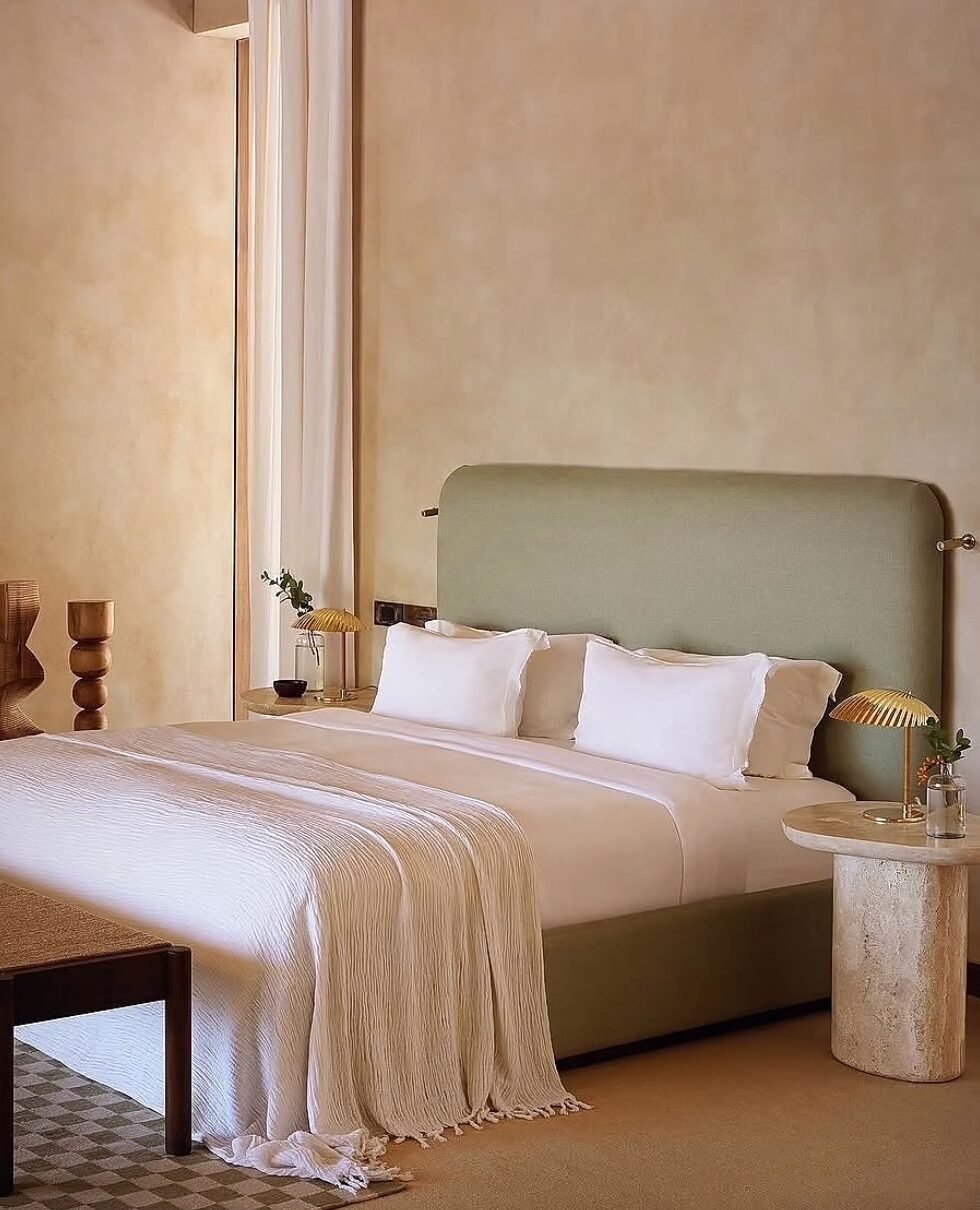
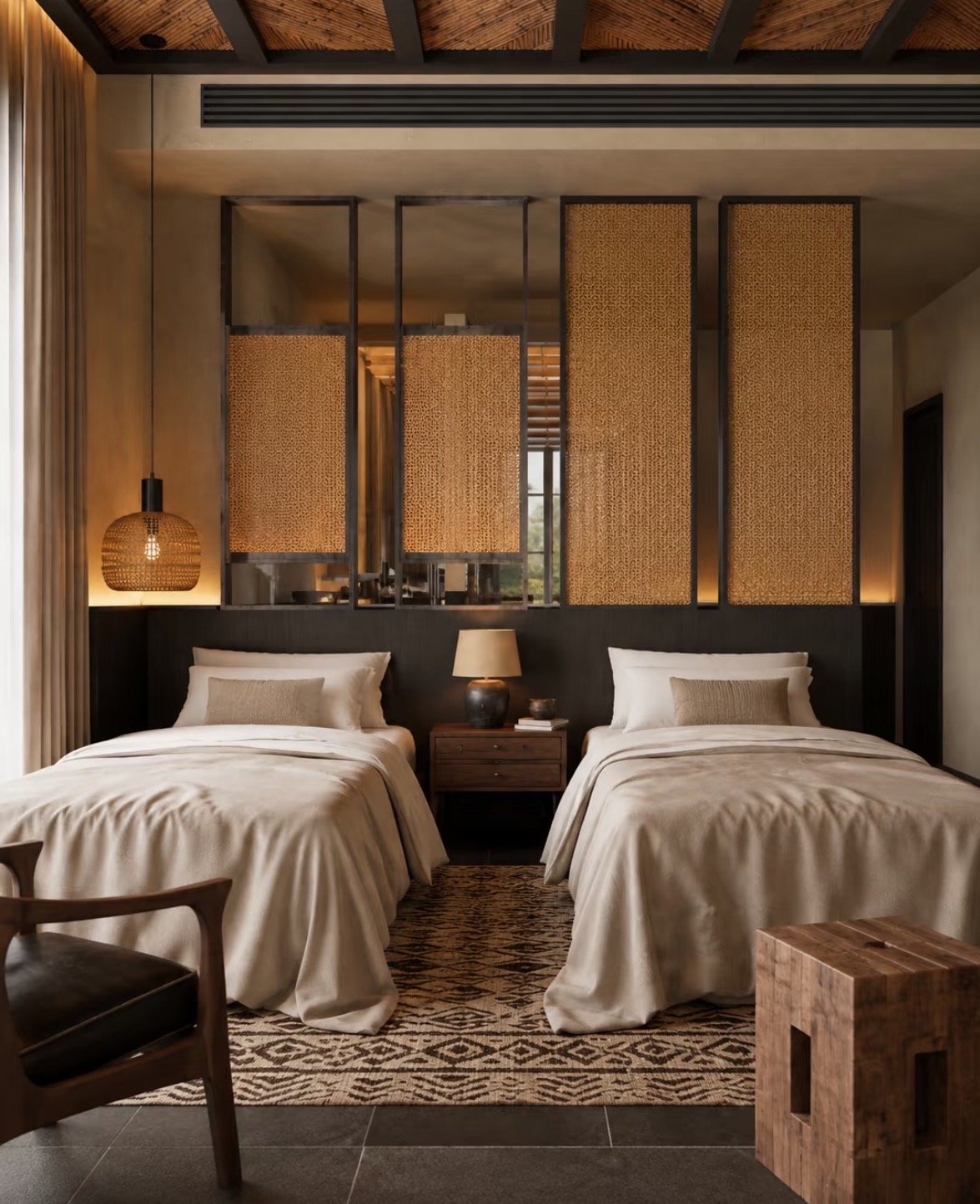
The foundation of any hotel procurement programme is the guest room FF&E package — the furniture, fixtures, and equipment that furnish each room type. This is the category where China sourcing is most established, most competitive, and most proven at the hotel and resort level.
| Category | What it includes | China supply base | Typical EXW lead time |
| Guest room casegoods | Bed frames, headboards, bedside tables, wardrobes, desks, minibars, luggage racks, TV units | Foshan — large concentration of hospitality-focused factories | 10–16 weeks (custom) |
| Upholstered seating | Armchairs, sofas, ottomans, banquette seating, desk chairs, lounge pieces | Foshan — specialist upholstery factories with hospitality experience | 10–14 weeks |
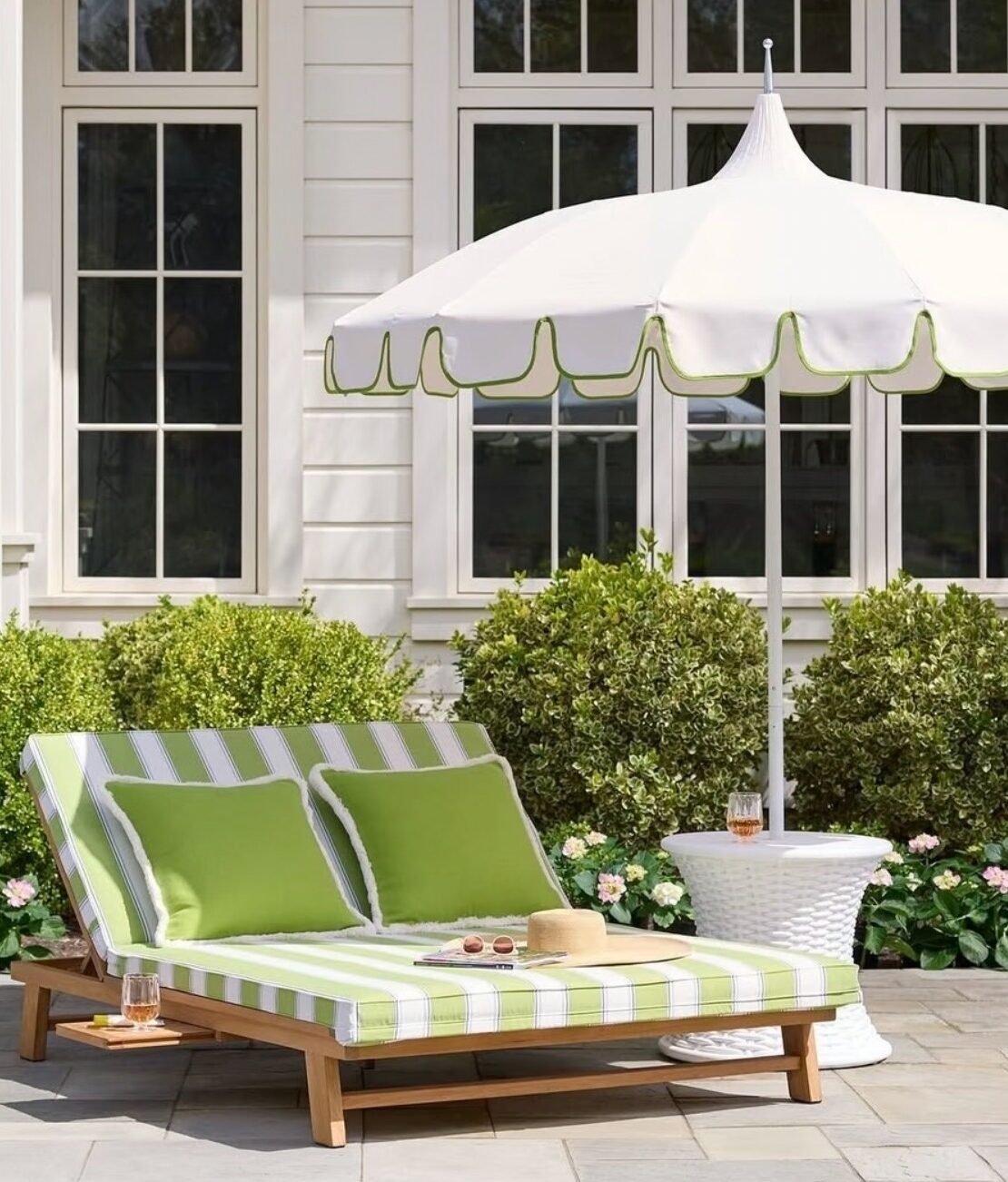
| Outdoor and terrace furniture | Sun loungers, dining tables and chairs, daybeds, poolside seating, bar stools | Zhongshan / Jiangmen — outdoor furniture cluster | 10–14 weeks |
| Soft furnishings | Curtains and drapes, cushions, throws, bedding sets, bath linen, rugs | Foshan / Guangzhou — textile and furnishing factories | 8–12 weeks |
| Fixed millwork | Custom joinery: reception desks, bar counters, feature walls, bespoke cabinetry | Foshan / Guangzhou — joinery factories with hotel project experience | 12–18 weeks |
| Decorative lighting | Pendant lights, wall sconces, table lamps, floor lamps, custom chandeliers | Zhongshan — the world’s largest decorative lighting production cluster | 8–14 weeks |
| Bathroom accessories | Towel bars, robe hooks, toilet roll holders, soap dispensers, mirrors, shower enclosures | Zhongshan / Guangzhou | 6–10 weeks |
2. Building Materials and Finishes
The same container that carries the guest room furniture can carry the tiles, sanitary ware, and door sets for the same rooms. Consolidating building materials with FF&E in a single shipment reduces logistics cost significantly — for Caribbean and Indian Ocean destinations where freight cost is a meaningful percentage of total project cost, this consolidation can save 15 to 25% on the logistics line.
| Category | What it includes | China supply base | Key specification note |
| Porcelain and ceramic tiles | Floor tiles, wall tiles, pool tiles, outdoor paving, feature surfaces | Foshan — world’s largest ceramic tile production cluster | Specify ISO 10545 water absorption (≤0.5% for porcelain), slip resistance (R10 for wet areas), rectified edges for large format |
| Sanitary ware | WCs, basins, baths, shower trays, bidets | Chaozhou, Guangdong — major sanitary ware cluster | Specify Grade A vitreous china; dual-flush to relevant water efficiency standard; 5mm+ solid acrylic for freestanding baths |
| Door sets | Guest room entry doors (fire-rated, acoustic), bathroom doors, connecting doors, external doors | Foshan / Guangzhou — door and millwork factories | FD30 minimum for guest room entry; Rw ≥38dB for 4–5 star; MR-MDF core for coastal humidity; 316 SS ironmongery for coastal locations |
| Ironmongery and hardware | Levers, pulls, hinges, locks, bathroom accessories | Zhongshan / Guangzhou | 316 SS for any coastal or salt-air application; zinc alloy (zamak) not suitable for resort environments |
| Decorative stone and engineered stone | Marble-effect sintered stone, engineered quartz, natural stone slabs for feature surfaces | Fujian province (natural stone); Guangdong (engineered stone) | Confirm water absorption and chemical resistance; natural stone requires sealing for bathroom applications |
3. Commercial Kitchen and F&B Equipment
For hotel and resort projects that include a restaurant, bar, banquet facility, or event venue, the commercial kitchen equipment specification is a significant procurement line — and one where China sourcing offers genuine value. The Guangdong and Shandong provinces host major commercial kitchen equipment manufacturing clusters producing to international standards.
- Cooking equipment — commercial gas and induction ranges, combi-ovens, salamanders, deep fryers, wok stations. China produces these items to NSF, CE, and equivalent standards for export markets. The leading China brands (Welbilt equivalents in the Chinese market) are used in four- and five-star hotel kitchens across Asia and the Middle East.
- Refrigeration — under-counter fridges, upright refrigerators and freezers, blast chillers, commercial ice machines. Specify the relevant energy efficiency standard for the destination market (CE marking for Europe; ETL for US/Caribbean).
- Stainless steel fabrication — custom fabricated kitchen benches, shelving, pass-throughs, hood canopies, and prep tables are produced to drawing in China at significantly lower cost than local fabrication in Caribbean, European, or Indian Ocean markets. Specify 304 SS as minimum; 316 SS for any coastal or high-humidity kitchen environments.
- Bar and beverage equipment — commercial glass washers, under-counter bar fridges, coffee machine infrastructure (plumbing and cabinetry, not the espresso machine itself which is typically brand-specified), ice wells, bottle coolers.
- Event and banquet equipment — folding tables, banquet chairs, trolleys and stacking systems, linen and tableware storage. For event venues with a capacity of 200 or more, sourcing the entire banquet furniture package from China in a single order is consistently more cost-effective than sourcing regionally.
| What kitchen equipment category to source locally
The commercial kitchen equipment categories where local sourcing is usually preferable: the espresso machine and coffee equipment (brand-specified, service and parts network dependent), built-in ventilation hoods where local building code compliance requires a local contractor to certify the installation, and any equipment requiring local utility connections that must be specified to local electrical or gas codes. Everything else in the commercial kitchen can typically be sourced from China with the correct CE, NSF, or destination-equivalent certification. |
4. Technical and AV Equipment
For hotel projects with conference facilities, event spaces, or entertainment-focused public areas, the technical equipment specification — professional sound systems, LED displays, projection systems, and control infrastructure — is a category where China sourcing can deliver significant cost savings against European or North American-origin product.
- Professional audio systems — line array and point-source speaker systems, amplifiers, digital signal processors, and mixing infrastructure. China produces professional audio equipment for the global market at price points 30 to 60% below Western branded equivalents. The leading China pro-audio brands (used in hotel ballrooms, event venues, and conference centres across Asia, the Middle East, and Eastern Europe) are manufactured to the same acoustic engineering standards as Western equivalents.
- LED display systems — fine-pitch indoor LED walls, outdoor digital signage, and lobby feature displays. China is the world’s dominant supplier of LED display technology. For hotel and event venue applications, specify pixel pitch (P2.5 to P4 for indoor at normal viewing distances), brightness (800+ nits for indoor, 4,000+ nits for outdoor), and refresh rate (≥3,840Hz to avoid camera flicker on recorded events).
- Acoustic treatment — movable acoustic partition walls, ceiling acoustic panels, wall-mounted absorber panels. Acoustic partitions from China are used in hotel ballrooms and conference centres globally. Specify the Rw rating required for the partition (typically Rw 48–52dB for hotel conference partitions), the panel weight, and the track system type.
- Structured cabling and infrastructure — data cabling, AV cabling, and hotel room management system infrastructure can be specified and quoted in China but typically requires local installation contractors. Supply-only from China with local installation is the most cost-effective model for this category.
5. What a Turnkey Programme Does Not Cover from China
An honest assessment of the turnkey programme scope includes the categories where China sourcing is not the right approach. Understanding these boundaries upfront prevents the brief from being over-extended in ways that add complexity without saving cost.
| Category | Why local or regional sourcing is usually preferable |
| HVAC and mechanical systems | Requires local code compliance, local contractor installation and commissioning, and ongoing local service contracts. Equipment can sometimes be specified from China, but the system design and installation must be local. |
| Electrical distribution equipment | Local code compliance (IEC, NEC, or national variants) and utility company approval requirements typically mandate locally-certified equipment and installation. |
| Fire detection and suppression systems | Life safety systems are almost universally required to be specified, installed, and commissioned by locally-certified contractors using locally-approved equipment. |
| Lifts and escalators | Lift installations require local engineering certification, ongoing maintenance contracts, and regulatory inspection. Major global lift brands (Otis, KONE, Schindler) have local operations in most markets. |
| Pool and spa equipment | Filtration, chemical dosing, and heating systems for pools are heavily dependent on local water chemistry, local chemical supply, and local service networks. Equipment from China is available but the service and commissioning argument favours local sourcing. |
| Branded technology systems | Property management systems (PMS), in-room entertainment systems specified to a hotel brand standard, and any system requiring a brand-approved supplier list cannot be freely sourced from China regardless of cost. |
6. How a Turnkey Programme Is Structured and Managed
A turnkey procurement programme covering multiple categories across multiple factories requires more management infrastructure than a single-category FF&E order. The key structural elements are:
Single point of contact and programme management
Every category in the programme is managed through a single sourcing agent team — one brief, one contact, one procurement calendar. The developer provides the full specification package (drawings, finish schedule, FF&E schedule, equipment list) and the agent manages factory selection, sampling, production, and logistics across all categories. This is fundamentally different from a developer managing separate factory relationships for each category — the coordination cost of managing six to ten factory relationships across a project timeline typically exceeds the cost of an agent’s programme management fee.
Category sequencing and timeline alignment
Different categories have different production lead times. Custom millwork and casegoods take longer than standard sanitary ware; decorative lighting takes longer than bathroom accessories. A well-managed turnkey programme sequences the briefs so that all categories are ready for the same container loading — the goal is one FCL, not six. This requires briefing all categories from the same specification package at the start of the programme, not sequentially as each category is confirmed.
Consolidation and single shipment
The consolidation warehouse is the physical hub of the turnkey programme. As each factory completes production and passes pre-shipment inspection, goods are transferred to the consolidation warehouse in Guangdong. When all categories are ready — or at planned container loading dates for phased shipments — everything is loaded into one or more FCL containers for the destination port. For Caribbean and Indian Ocean projects where freight cost is significant, consolidating 8 to 10 categories into a single FCL saves 40 to 60% on the logistics cost compared to shipping each category separately.
Compliance documentation management
A turnkey programme spanning FF&E, building materials, and equipment generates a significant volume of compliance documentation: fire test certificates for upholstered items, ISO test certificates for tiles, CE declarations for electrical equipment, CARB Phase 2 certificates for composite wood products, and phytosanitary certificates for solid wood items. Managing this documentation — ensuring every item in the shipment has the correct certificate for the destination market — is a core programme management function that a competent agent handles as standard.
Frequently Asked Questions
Can a turnkey programme work for a project outside the Caribbean and resort markets?
Yes. FFE Sourcing China manages turnkey programmes for hotel and hospitality projects in Europe (particularly Southern and Eastern Europe), the Middle East, and Africa, in addition to the Caribbean and Indian Ocean. The logistics mechanics differ by destination — EU customs clearance versus CARICOM versus individual island duty frameworks — but the sourcing and production management process is the same. For a European destination, CE marking compliance for electrical and kitchen equipment is a requirement that shapes the equipment specification from the start of the brief.
What is the minimum project size for a turnkey programme to make financial sense?
As a rough guide, a project with a total procurement budget of USD 300,000 or more across all categories is typically large enough for a turnkey programme to be more cost-effective than sourcing categories individually. Below this threshold, the programme management overhead relative to the total budget can reduce the net saving. For smaller projects (a 20-room boutique property or a small restaurant refurbishment), a focused single-category or two-category brief is usually more practical.
How does CE or destination compliance work for China-origin equipment?
For European and EU-adjacent markets (including many Caribbean territories with European-influenced building codes), CE marking is required for electrical equipment, commercial kitchen equipment, and certain building products. The major China factories supplying export markets routinely produce CE-marked product — the CE declaration is issued by the factory or an approved European notified body acting on the factory’s behalf. A competent sourcing agent specifies the compliance requirement in the factory brief and requires the CE declaration as part of the documentation package before shipment. For non-EU markets (the Caribbean, Indian Ocean, Middle East), the applicable standard varies by country and category — this should be verified with a local building inspector or brand technical services team before the brief is finalised.
Can I start with one category and expand to a full turnkey programme later?
Yes. Most clients begin with the category they are most confident about — typically guest room furniture — and expand to additional categories as confidence in the process grows. Starting with a focused category brief is a reasonable approach for a first project with a new sourcing agent. The practical consideration is that expanding categories mid-programme adds timeline complexity: if the FF&E brief is issued first and the building materials brief follows 6 weeks later, the building materials may not be ready in time to consolidate with the furniture shipment. For the consolidation saving to be realised, all categories should be briefed within 2 to 4 weeks of each other.
One Programme, One Container, One Partner
The efficiency argument for a turnkey procurement programme from China is most compelling for resort and hospitality projects in island destinations, where freight cost, customs complexity, and last-mile logistics make every additional shipment disproportionately expensive. A developer who consolidates FF&E, building materials, kitchen equipment, and AV into a single FCL container is not just saving on freight — they are reducing the number of customs entries, the number of documentation packages, and the number of delivery coordination events at the destination.
FFE Sourcing China manages turnkey programmes for hotel, resort, and hospitality projects across the full category spectrum described in this guide. If you are planning a new build or major refurbishment and want to understand what a full programme would look like for your project, contact us with your project details. We will outline the category scope, the estimated timeline, and the programme management approach within 48 hours.
| Discuss a turnkey procurement programme: ffesourcing.com/contact-now |