How One Factory Audit Stopped a Six-Figure Order Heading for Failure
A real case study: how an unannounced factory audit in China revealed a supplier who could not produce what they promised — and saved a client from a significant financial loss before the deposit was paid.
ALLFF&E SOLUTIONS
A real account of what happens when a procurement partner discovers what a supplier cannot — or will not — tell you.
Case study summary
Client: A long-term European commercial products client. Situation: Client was ready to place a large-scale order with a third-party supplier for a new product design. Discovery: An unannounced factory audit revealed the "manufacturer" could not produce the design and the product was structurally unsound. Outcome: Order cancelled before deposit was wired. New manufacturing solution developed. Client protected from significant financial loss.
1. The Setup: A Product That Looked Good on Paper
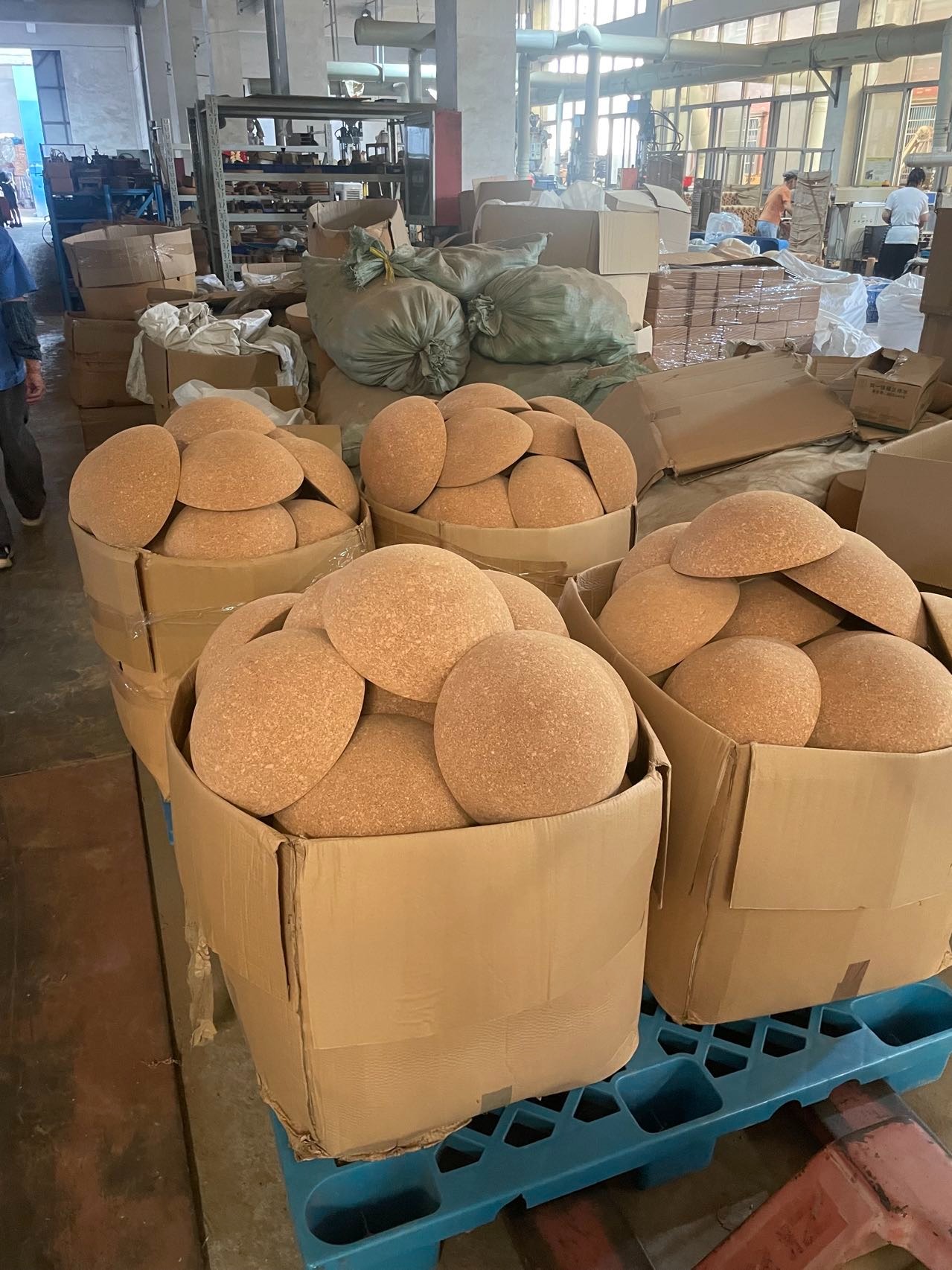
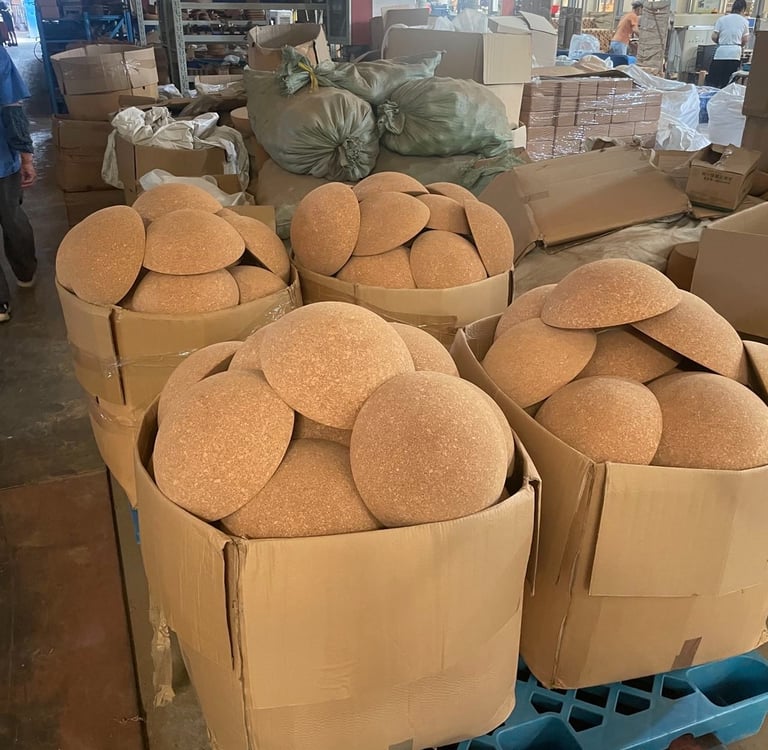
A long-term European client came to us with what appeared, on the surface, to be a straightforward brief. A third-party supplier had pitched them a new, high-concept product design — a series of commercial items made from compressed cork. The concept was strong. The supplier's presentation was polished. The client was close to committing to a large-scale production order.
Before the deposit was wired, they asked us to conduct a formal factory audit.
This is the correct sequence. Not a formality, not a box-ticking exercise — a genuine due diligence step before a significant financial commitment. It is the step that most buyers skip, and the step that separates a procurement outcome from a procurement problem.
2. What Happened at the Factory
I flew to the factory and arrived unannounced — not by accident, but by design. An unannounced audit catches a factory in its actual operating state, not the presentation it prepares for scheduled visits. What you see on an unannounced visit is what your production run will look like.
By chance, the actual owner of the facility was present when I arrived. He had no context for who I was or who I represented. In the conversation that followed, two critical facts emerged.
The manufacturing capability gap
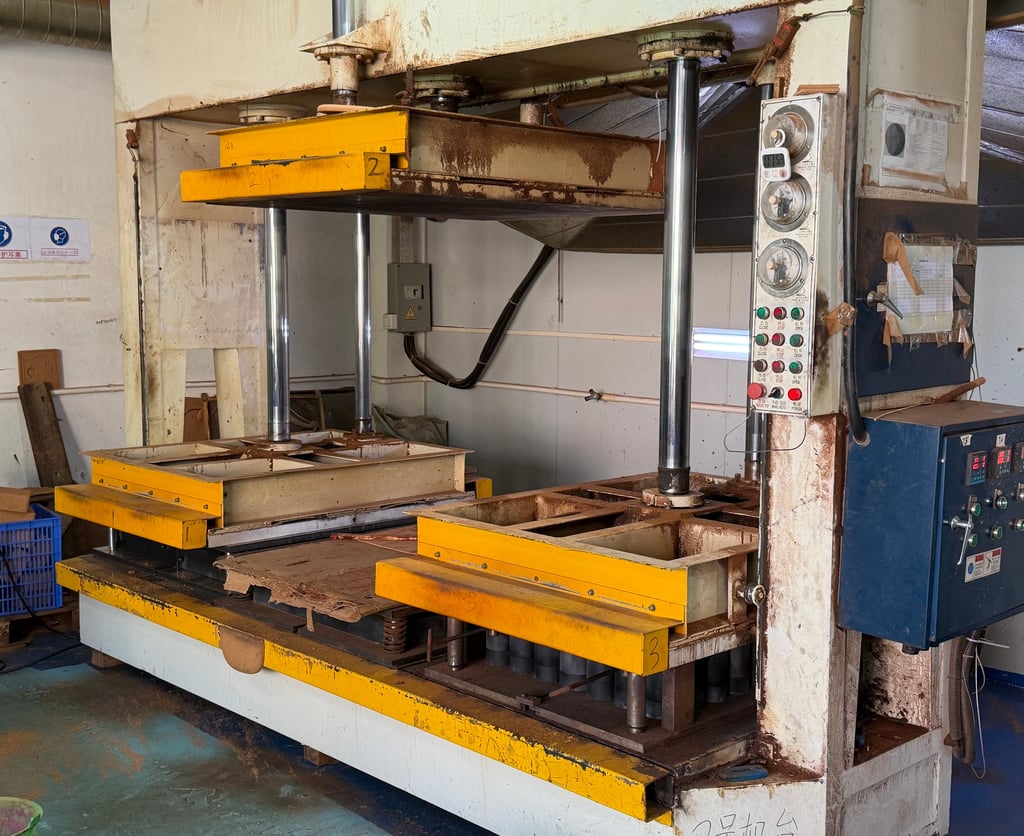
The "manufacturer" the client was working with did not have the machinery or skilled labour to produce the product as designed. The hollow core construction required by the design exceeded the factory's technical capability. They could not make what they were selling.
This is not unusual. Trading companies operating as manufacturers — presenting a factory address they do not own, or a capability they do not have — are a consistent risk in the Chinese supply chain, particularly for products at the intersection of design and specialist manufacturing. The polished sales presentation tells you nothing about production reality. Only the factory floor does.
The structural integrity problem
The factory owner — who had no commercial reason to protect the supplier's pitch — was direct: the design as specified was structurally unsuitable for compressed cork. The material properties of the product category, combined with the hollow construction, meant the finished product would not hold its integrity once it left the controlled factory environment. It was a design that would fail in the field.
This was not a quality control problem. It was not a production problem. It was a fundamental design-material incompatibility that no amount of factory monitoring could have fixed after the order was placed. The only correct outcome was to not place the order at all.
3. What Would Have Happened Without the Audit
The financial exposure of proceeding without an audit was significant. A large-scale production order in this category — with tooling costs, deposit, and production commitment — represents a substantial upfront investment before a single unit is delivered or tested in real conditions.
The sequence of failure would have been predictable:
• Deposit wired to a supplier who cannot produce the design as specified.
• Production either stalled indefinitely or completed using shortcuts the client never approved.
• Finished goods delivered that fail structural integrity testing or collapse in transit.
• Recovery options extremely limited once production is complete and payment is made.
• Legal recourse against a Chinese trading company, for a buyer in Europe, is complex and expensive.
The audit cost a fraction of the order value. The saving was the entire order value.
4. From Problem to Solution: Developing a New Manufacturing Process
Cancelling a project is only half the story. The client still had a design intent — a product concept that had commercial merit. The problem was not the concept; it was the proposed manufacturing method and the supplier who had misrepresented their ability to deliver it.
Rather than closing the file and moving on, we went back to the brief.
We developed a new manufacturing approach using custom tooling and pressing moulds to work with compressed cork in a way that was both structurally sound and scalable at commercial quantities. The revised process addressed the material limitations directly — not by changing the design intent, but by changing the method used to realise it.
The result was a product that could actually be manufactured, held its structural integrity under the conditions it would encounter in use, and could be produced at the volume the client needed.
This is the distinction that matters between a trader and a procurement partner. A trader's role ends when they place the order. A professional procurement partner's role begins when the original plan fails — because finding the right path forward is as much a part of the service as protecting the client from the wrong one.
5. What This Case Study Reveals About China Sourcing Risk
This case is not unusual. The specific product and supplier are unique, but the underlying dynamic — a trading company presenting capabilities it does not have, for a product with unresolved engineering challenges — is a recurring pattern in Chinese supply chain procurement across many product categories.
The factors that made this discoverable were specific to how the audit was conducted:
• Unannounced visit: the factory was not prepared. The actual owner was present and spoke candidly. A scheduled visit with advance notice produces a different environment.
• Direct conversation with ownership: not the sales representative, not the export manager — the factory owner, who had no commercial stake in protecting the supplier's pitch.
• Manufacturing knowledge: knowing what the right machinery for this product category looks like, and recognising its absence. This requires product-specific manufacturing knowledge, not just a general audit checklist.
• Independence: no financial relationship with the factory, no commission from the supplier, no incentive to overlook problems. An independent agent's income is derived from the client — which means the client's interests and the agent's interests are aligned.
6. What Every Buyer Should Do Before Placing a Large China Order
The audit that stopped this order was requested by the client — which is exactly right. But in our experience, most buyers in this situation do not request one. They rely on the supplier's self-presentation, on sample quality, and on the confidence of the pitch.
For any order above a meaningful financial threshold, the following should be non-negotiable before the deposit is paid:
• Factory audit by an independent team: not the agent who sourced the supplier, not a third party recommended by the supplier. An independent audit team with no commercial relationship with the factory.
• Capability verification specific to your product: does the factory have the specific machinery, tooling, and skilled labour your product requires? Not general manufacturing capability — the specific capability for your design.
• Design-material compatibility review: for any product with an unusual material, construction method, or performance requirement, confirm that the material can actually meet the design specification at production scale.
• Manufacturer vs. trading company confirmation: confirm that the entity you are dealing with is the actual manufacturer, not a trading company reselling production they do not control.
factory audit China sourcing agent inspection
compressed cork product manufacturing China
The industry context
Professional sourcing agents reduce client defect rates by up to 41% compared to unmanaged direct procurement, according to industry data. Factory audits that identify structural or capability problems before order placement represent the highest-return intervention in the entire procurement process — because they prevent losses that cannot be recovered once production begins.
Planning a product order from China? Request a pre-order factory audit: ffesourcing.com/contact
The industry context
Professional sourcing agents reduce client defect rates by up to 41% compared to unmanaged direct procurement, according to industry data. Factory audits that identify structural or capability problems before order placement represent the highest-return intervention in the entire procurement process — because they prevent losses that cannot be recovered once production begins.
The Difference a Single Audit Makes
A factory audit before a large order is not a sign that you do not trust your supplier. It is standard professional practice — the same due diligence that any experienced procurement team applies as a matter of routine.
FF&E Sourcing China conducts factory audits across Guangdong Province and wider China as a standard part of our procurement service, and as a standalone service for clients who have already identified a supplier they want independently assessed. If you are approaching a significant order and want a professional, independent evaluation of your supplier's capability before you commit, contact us.
The audit that found the problems described in this case study cost a fraction of the order value it protected. That ratio is typical. It is also the clearest case we can make for why due diligence is not optional.
Request a factory audit or procurement consultation: ffesourcing.com/contact
Company Links
+86 18138789304
© 2026. All rights reserved.
Contact
Our Services
Custom Furniture&Millwork Service
Quality Management
Furniture Sourcing Trips
About FF&E Sourcing
We are a China sourcing agent based in Guangzhou, specializing in global hotel, resort, and commercial projects. With over 30 years of experience, we source all your project needs directly from verified factories.